
Chat with us
Embroidery is one of the oldest and most respected methods of garment customization, yet it remains one of the most relevant in modern apparel branding today. Known for its textured finish, exceptional durability, and premium brand perception, embroidery continues to be the decoration method of choice for corporate uniforms, school attire, hospitality wear, and retail merchandise.
At ChromaPrint, embroidery plays a central role in delivering professional custom apparel solutions for businesses and organizations across Singapore. While newer printing technologies such as Direct-to-Film (DTF) and sublimation have grown in popularity, embroidery retains a distinct advantage where longevity, prestige, and tactile branding are concerned.
This guide explores embroidery in depth — how it works, its advantages, limitations, applications, and why it remains a cornerstone of quality apparel customization.
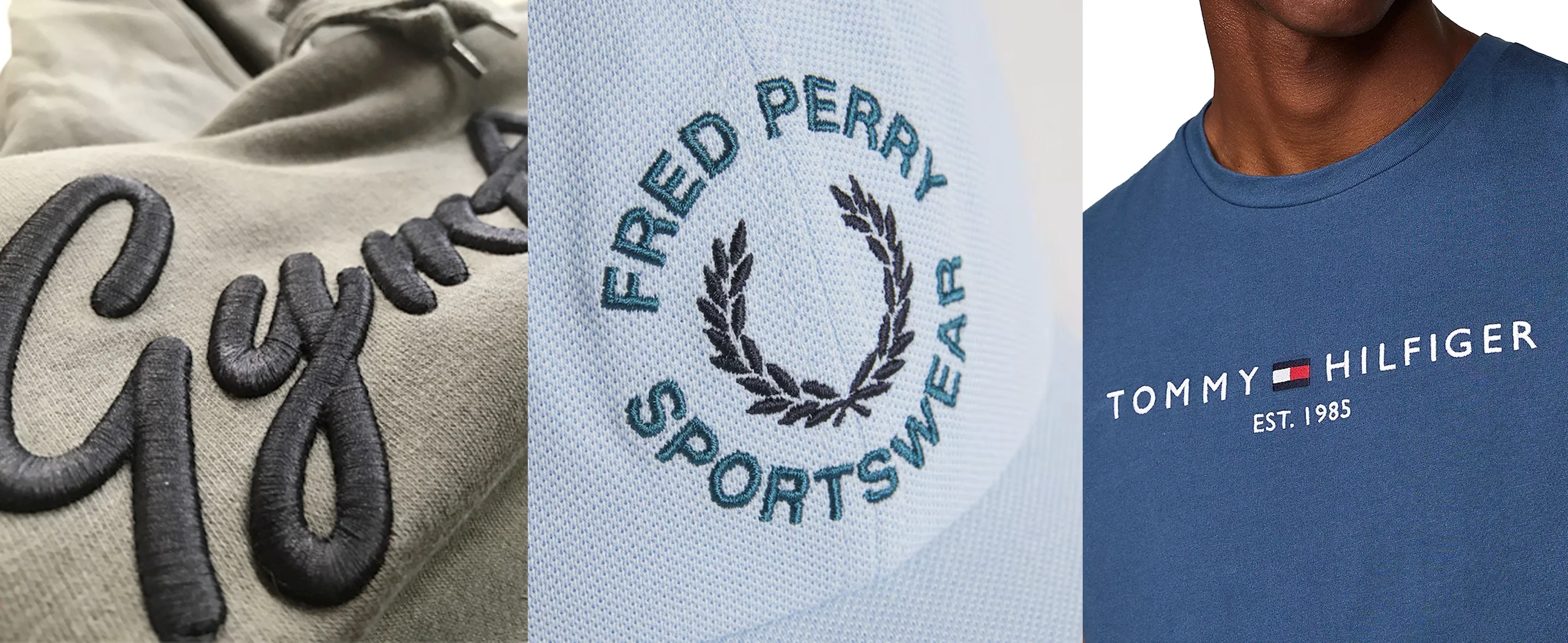
Embroidery is the process of stitching a design directly onto fabric using colored threads and specialized embroidery machines. Unlike printing methods that apply ink or transfers onto the surface of a garment, embroidery integrates the artwork into the fabric itself.
This structural integration is what gives embroidery its signature raised texture and dimensional appearance. Logos appear more refined, more permanent, and more aligned with corporate branding standards. Because thread is used instead of ink, designs are far less susceptible to fading, peeling, or cracking over time.
For companies seeking to project professionalism and brand authority, embroidered apparel communicates quality instantly — often before a word is spoken.
Historically, embroidery was entirely hand-stitched, requiring immense skill and time. It was used to signify royalty, military rank, and social status across civilizations from Ancient China to Medieval Europe.
Modern commercial embroidery has transformed this craft into a digitized, scalable production process. Today’s computerized embroidery machines can replicate logos with microscopic precision across hundreds or thousands of garments consistently.
At ChromaPrint, this fusion of traditional craftsmanship and advanced machinery allows us to produce embroidery that maintains artisanal quality while meeting corporate production timelines.
While embroidery appears straightforward on the surface, producing clean, durable stitching requires multiple technical stages behind the scenes.
The process begins with digitization. Your logo or artwork is converted into a stitch file that embroidery machines can interpret. Unlike print files, embroidery files contain instructions for stitch direction, density, layering, and thread sequencing. This step is crucial because poor digitization can lead to thread breaks, uneven tension, or distorted logos.
Once digitized, thread colors are selected to match brand guidelines as closely as possible. High-quality polyester threads are commonly used for uniforms due to their strength and colorfastness, while rayon threads may be chosen for retail apparel requiring a silkier sheen.
Garments are then hooped — secured within frames that keep the fabric taut during stitching. Stabilizers are applied behind the material to prevent puckering, particularly on softer fabrics like cotton polos or T-shirts.
The embroidery machines then execute the stitch program, often using multi-needle heads that switch thread colors automatically. After stitching is completed, excess threads and stabilizers are removed, and each piece undergoes quality inspection.
At ChromaPrint, this quality control stage ensures alignment accuracy, thread tension consistency, and overall presentation meet corporate apparel standards.
Embroidery’s continued popularity is not accidental. It offers functional and branding advantages that few other decoration methods can replicate.
One of the most compelling reasons businesses choose embroidery is brand perception. A stitched logo immediately conveys permanence and investment in quality. This is particularly important in industries where staff represent the company in client-facing roles, such as hospitality, finance, retail, and healthcare.
Durability is another major factor. Because designs are stitched rather than printed, they withstand repeated washing, ironing, and daily wear without degradation. Printed logos may crack or fade over time, but embroidery remains structurally intact for years.
This longevity translates into cost efficiency over the lifespan of the garment. Companies may pay slightly more upfront for embroidery, but replacement cycles are significantly longer.
Embroidery’s versatility makes it suitable across a wide range of industries and garment types.
Corporate uniforms remain the most common application. Embroidered polos and dress shirts create a cohesive, professional workforce image while reinforcing brand identity. Companies often place logos on the left chest, sleeve, or back yoke depending on visibility requirements.
Headwear is another popular category. Caps, beanies, and visors are structurally ideal for embroidery, especially for bold logos or 3D puff embroidery styles that create a raised effect.
Schools and educational institutions frequently use embroidery for crests, badges, and staff uniforms due to its durability through frequent washing.
In the hospitality sector, embroidered aprons, chef coats, and service uniforms elevate brand presentation while maintaining wash resilience in high-temperature laundering environments.
Retail brands also leverage embroidery for merchandise and streetwear collections, where texture and perceived value influence purchasing decisions.
Not all garments are equally suited for embroidery. Fabric structure plays a significant role in stitch clarity and finish quality.
Mid-weight to heavyweight fabrics tend to perform best because they provide stable surfaces for stitching. Polo shirts, hoodies, jackets, and corporate shirts are ideal examples. Caps and bags also hold embroidery exceptionally well due to their structured panels.
Lightweight or highly elastic fabrics can be embroidered but require specialized stabilization techniques to prevent puckering or distortion. At ChromaPrint, fabric suitability is assessed before production to ensure optimal results.
While embroidery is premium, it is not always the most suitable method for every design.
Large graphics or full-back designs are typically better executed through silk screen printing or DTF heat transfer. Stitching such large areas would result in heavy, stiff garments and significantly higher costs due to stitch count.
Embroidery also has limitations in reproducing gradients, shadows, or photo-realistic artwork. Thread colors are solid, making it better suited for logos, text, and simple graphics.
However, where embroidery excels is in small-format branding — chest logos, sleeve emblems, and monograms where texture and durability matter more than visual complexity.
Many corporate clients adopt hybrid decoration strategies, combining embroidery for logos with printing for larger graphics.
Embroidery itself has stylistic variations that influence final presentation.
Flat embroidery is the most common, producing clean, professional stitching suitable for uniforms and corporate wear.
3D puff embroidery adds foam beneath the stitching to create a raised, dimensional effect. This is especially popular on caps and streetwear branding.
Appliqué embroidery combines fabric patches with stitched borders, often used in varsity jackets or heritage-style designs.
Each style serves different branding objectives, and ChromaPrint advises clients on the most appropriate technique based on garment type and logo characteristics.
Embroidery pricing differs from print methods because it is driven by stitch count rather than print area alone.
Logos with higher detail require more stitches, increasing machine run time. Larger designs also consume more thread and stabilization materials.
Digitization is typically a one-time setup cost, after which repeat orders become more cost efficient.
Garment type, placement location, and order quantity further influence pricing. Bulk embroidery orders benefit from economies of scale due to machine setup efficiencies.
Proper care ensures embroidered garments maintain their appearance over time.
Garments should ideally be washed inside out using mild detergent and cold water. High heat drying should be avoided, as extreme temperatures may stress the surrounding fabric even though the embroidery itself remains intact.
Ironing should be done on the reverse side or with a protective cloth over the embroidery to prevent thread flattening.
At ChromaPrint, care guidance is provided alongside bulk orders to help organizations extend uniform lifespan.
More information on how to care for your printed t-shirts at our Care and Wash Guide for Custom Apparel.
Despite advancements in garment printing technology, embroidery continues to hold a unique position in apparel customization. Its ability to combine durability with tactile branding makes it irreplaceable for professional settings.
A well-embroidered logo does more than identify a company — it communicates stability, pride, and attention to detail. This psychological impact influences how customers perceive staff credibility and brand reliability.
For this reason, embroidery is often the default choice for companies investing in long-term uniform programs rather than short-term event apparel.
With over a decade of experience in custom apparel production, ChromaPrint provides end-to-end embroidery solutions tailored to corporate and institutional needs in Singapore.
From artwork digitization and thread matching to garment sourcing and bulk production, our embroidery services are designed to balance visual impact with cost efficiency.
Our production workflows are optimized to maintain stitch consistency across large orders, ensuring every garment reflects the same professional standard — whether it is a 20-piece SME order or a 2,000-piece corporate rollout.
2D Embroidery – Flat stitching suitable for standard logos and text.
3D Embroidery – Puff-style embroidery using foam underlay for a raised, bold look. Commonly used on caps
🧵 2D Embroidery (Flat Stitching)
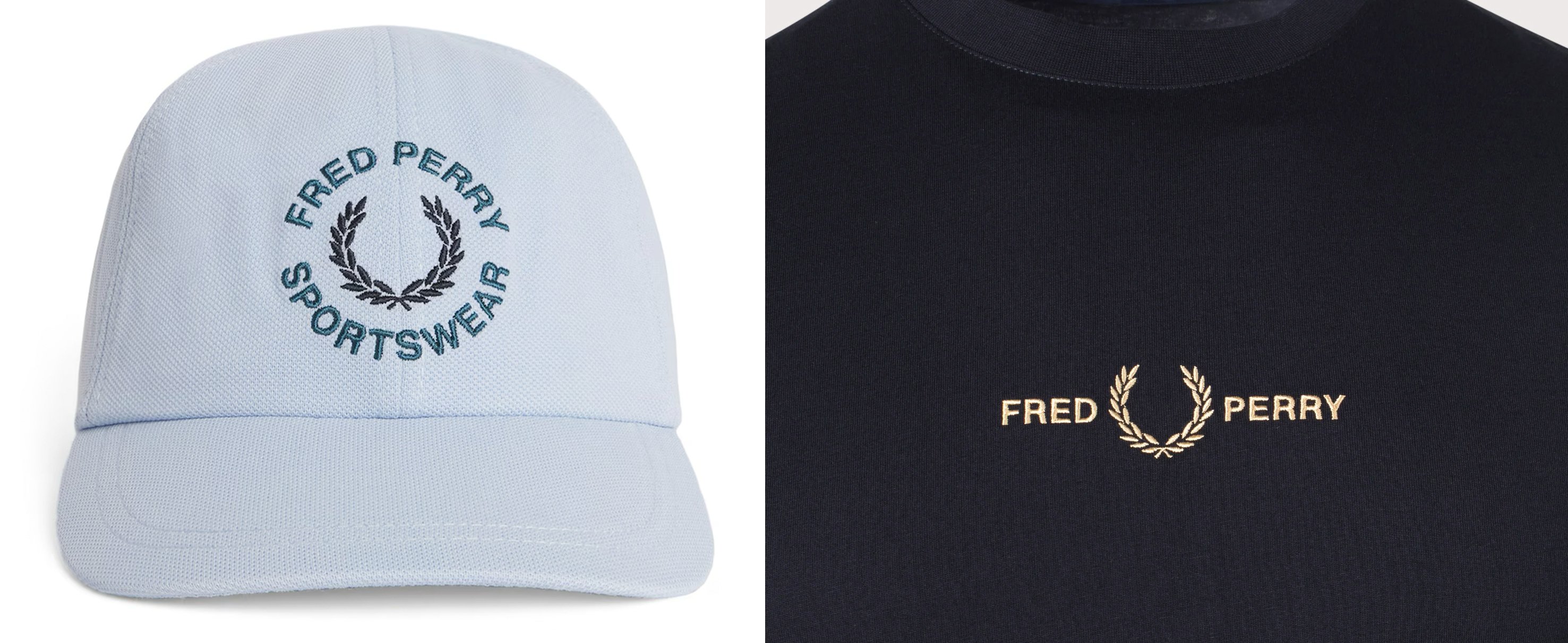
This is the most common form of embroidery where the design lies flat against the fabric. It's suitable for:
Company logos
Names and initials
Small decorative elements
2D embroidery is sleek, professional, and versatile—ideal for polo shirts, uniforms, aprons, and jackets.
🧢 3D Embroidery (Puff Embroidery)
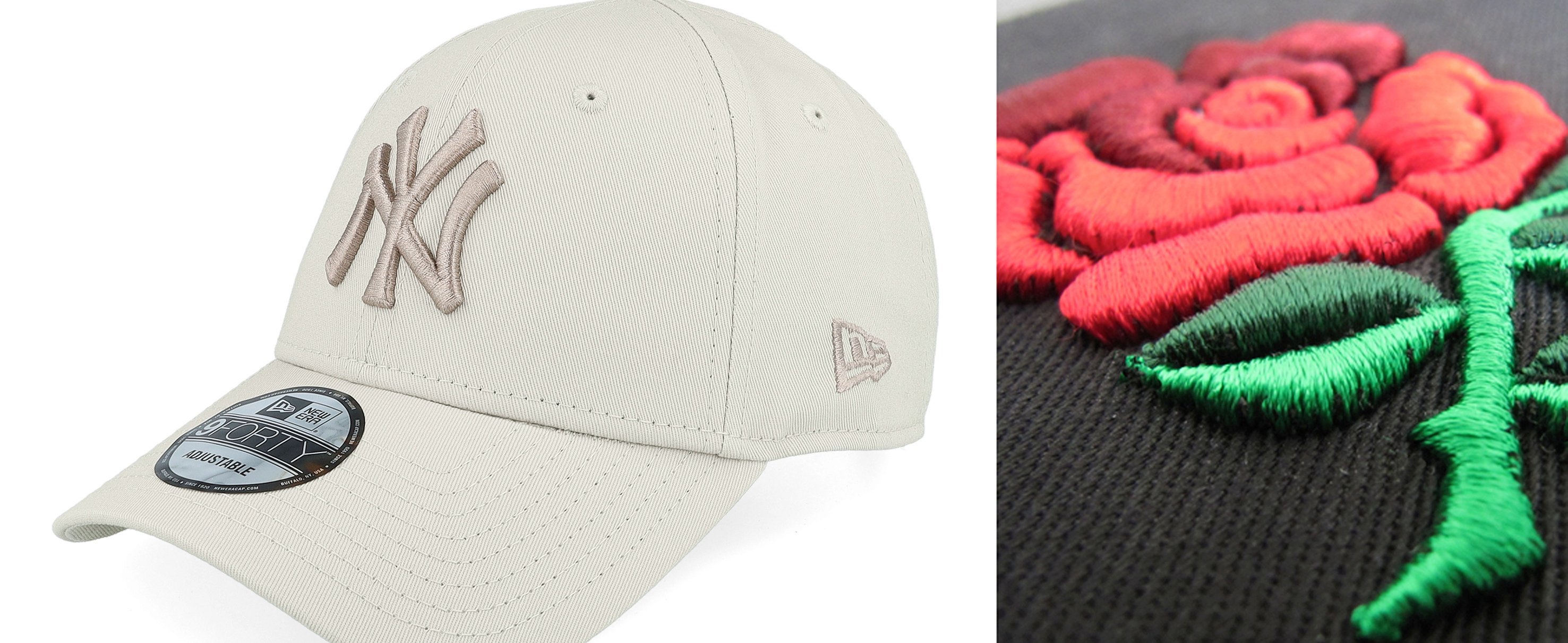
3D embroidery involves placing a layer of foam under the thread to create a raised, dimensional effect. It gives your logo a bold, eye-catching finish that stands out. Commonly used for:
Snapbacks and caps
Streetwear branding
Sports merchandise
Corporate polo shirts
Company uniforms
Event apparel
Snapback & baseball caps
Jackets & windbreakers
Towels, blankets, aprons
Pros
• Long-lasting – will not fade or peel with wash
• Premium look – ideal for formal, professional branding
• Textured feel – adds depth and presence
• Works on thick fabrics – like canvas, fleece, denim
• Great for small logos and initials
Cons
• Not suitable for photo prints or gradients
• Higher cost for large designs or dense stitch areas
• Limited colour blending – solid colours only
Embroidery is ideal when durability, texture, and brand impression matter most.
Q: Can embroidery be done on any fabric?
A: Embroidery works best on medium to heavy fabrics like cotton, pique, polyester, and canvas. It’s not recommended for thin, stretchable materials.
Q: What is 3D puff embroidery?
A: 3D embroidery uses a foam insert under the stitch, giving your logo a raised, dimensional effect. Great for caps and bold designs.
Q: How many colours can I use?
A: Most embroidery machines support up to 12 thread colours in one design.
Q: Will the stitches fade or unravel?
A: No. Properly digitised embroidery is extremely durable and lasts for years with normal wear and washing.
Q: What’s the minimum order quantity?
A: Our MOQ for embroidery is 10 pieces per design.
Q: Can I do individual names on shirts or caps?
A: Yes! We offer personalised name embroidery for team uniforms, gifts, and more.
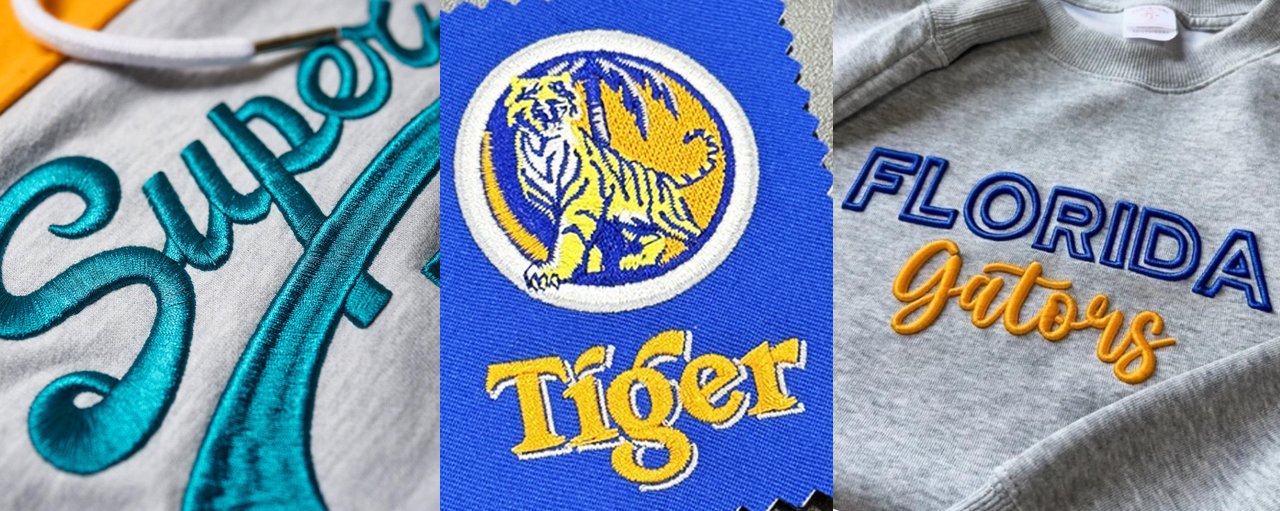
Choose from our embroidery-ready range:
• Industry-standard Japanese embroidery machines
• In-house digitising team for sharp, clean results
• Competitive pricing for bulk and retail use
• Trusted by brands, schools, and corporates
• Fast lead times and islandwide delivery
Give your apparel a premium touch. Whether you want understated logos or bold 3D caps, we’re ready to stitch your brand into every piece.
Looking for other printing methods? Explore our full range of services:
Silk Screen Printing
DTF Heat Transfer Printing
3D Silicone Printing - Puff Printing
Sublimation Printing
Gold and Silver Foil Printing