
Chat with us
Custom printed apparel is more than just clothing — it represents your brand identity, company image, event presence, or team culture. At ChromaPrint, every garment we produce is designed to balance visual impact with long-term durability. From corporate uniforms and promotional T-shirts to retail merchandise and event apparel, proper care plays a critical role in preserving print vibrancy and fabric integrity.
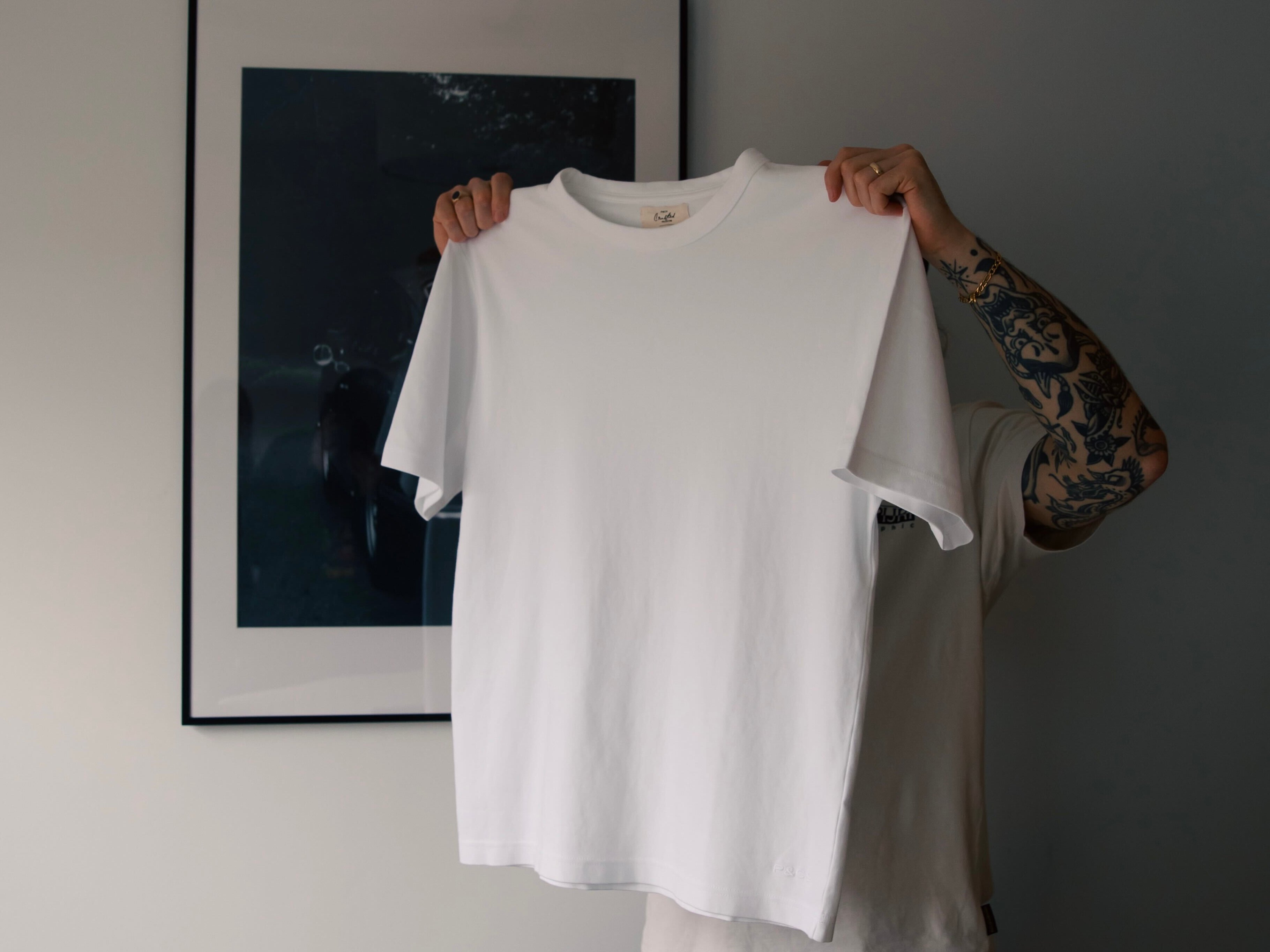
Different printing methods interact with fabric in distinct ways. Some prints sit on the surface, others are heat bonded, while certain embellishments create raised or textured finishes. Because of this, washing and care techniques should always be tailored to the specific decoration method used.
This comprehensive ChromaPrint care guide walks you through how to maintain apparel produced using silk screen printing, DTF heat transfer, embroidery, 3D silicon print, 3D puff print, sublimation, and foil printing — ensuring your custom garments remain professional, vibrant, and long-lasting.
Silk screen printing remains one of the most widely used decoration techniques at ChromaPrint due to its durability, color opacity, and cost efficiency for bulk corporate and event orders. This technique is especially popular with round neck t-shirts, polo t-shirts, as well as jackets and hoodies. The process involves pressing ink through a mesh screen onto fabric, forming a cured ink layer that bonds securely to the garment surface.
Because the ink sits on top of the fabric rather than within it, proper care is essential to maintain elasticity and prevent premature surface wear.
To preserve silk screen prints, garments should always be turned inside out before washing. This reduces friction between the printed surface and other garments during wash cycles — one of the main causes of cracking.
Cold water washing helps maintain ink flexibility and prevents pigment fading. Mild detergents are best suited, while bleach and harsh chemicals should be avoided as they can degrade ink vibrancy over time.
Air drying is the safest method for silk screen printed apparel. While tumble drying is possible, low heat settings should be used. Excessive heat can cause the ink layer to stiffen and eventually crack.
Ironing should never be applied directly onto the print. If wrinkle removal is required, garments should be turned inside out or covered with a pressing cloth to protect the ink surface.
With proper washing and drying habits, ChromaPrint silk screen printed garments can last for years without significant fading, making them ideal for uniforms, promotional campaigns, and retail merchandise.
Direct-to-Film (DTF) printing is increasingly popular at ChromaPrint for full-color and highly detailed designs. The artwork is printed onto film, coated with adhesive powder, and heat pressed onto the garment, forming a flexible bonded layer. This technique is especially popular with round neck t-shirts, polo t-shirts, as well as jackets and hoodies, especially when working with designs with intricate details, color gradients or multi-colored.
Newly printed DTF garments should remain unwashed for at least 24 hours after production. This allows the adhesive bonding to stabilize fully, improving long-term durability.
Garments should be washed inside out using cold water and gentle cycles. This protects the transferred film from abrasion and prevents premature edge lifting.
Overloading washing machines or washing with heavy fabrics like denim can stress the transfer edges. Gentle loads help maintain print adhesion.
High dryer heat can soften the adhesive layer, leading to peeling over time. Air drying is recommended. Ironing should only be done inside out to avoid film damage.
Embroidery is one of the premium decoration methods offered by ChromaPrint, commonly used in round neck t-shirts, polo t-shirts, jackets and hoodies, and caps and hats. Instead of ink, designs are stitched directly into the fabric using high-tensile threads, creating a textured and long-lasting finish.
Turning embroidered garments inside out protects threads from snagging against zippers, buttons, or rough fabrics during wash cycles.
Cold or lukewarm water washing is ideal. High temperatures may shrink the base fabric, leading to puckering around dense stitch areas.
Mild detergents help preserve thread sheen. Bleach and strong chemicals may cause uneven fading, especially on darker embroidery threads.
Ironing should be done from the reverse side to prevent flattening the embroidery texture or creating shine marks on the threads.
3D silicon printing creates a raised, rubberized branding effect that is both flexible and visually striking, commonly used in round neck t-shirts or caps and hats. ChromaPrint often recommends this method for premium corporate and athleisure apparel. This technique used by customers who wish to achieve the 'wow factor' in their end product, as the outcome is truly impressive and instantly upgrades the apparel to retail-grade.
Garments should always be washed inside out to protect the raised silicon surface from abrasion.
Heavy washing loads can compress the silicon texture. Gentle wash cycles help preserve its dimensional effect.
High dryer heat may deform the silicon structure. Air drying or low heat tumble drying is recommended.
With proper care, 3D silicon prints retain their bold tactile appeal, making them ideal for premium branding and fashion merchandise.
3D puff printing uses specialty ink that expands under heat curing to create a soft, raised finish.
Garments should be washed inside out in cold water to preserve the expanded ink structure.
Excessive wringing or aggressive washing can flatten the puff effect, reducing its dimensional appearance.
High dryer heat can shrink or harden puff prints. Air drying is strongly recommended.
With careful washing and minimal heat exposure, puff prints retain their elevated texture over time.
Sublimation printing bonds dye directly into polyester fibers through heat vaporization, resulting in a print with no surface texture. This is the most common printing technique for full custom-made jerseys when seeking to achieve a complete edge-to-edge print.
Because the dye becomes part of the fabric, sublimation prints will not crack, peel, or fade under normal washing conditions.
Cold or warm washing is suitable. Mild detergents help maintain fabric softness and color vibrancy.
Low heat drying is safe, and ironing can be done carefully without damaging the print.
ChromaPrint sublimation is commonly used for sports jerseys, dri-fit shirts, and all-over prints requiring breathability and durability.
Foil printing uses heat-bonded metallic sheets applied over adhesive designs to create reflective finishes.
Garments should be washed inside out using cold water to protect the foil layer.
Gentle wash cycles and mild detergents help prevent surface cracking or flaking.
High heat can warp or peel foil prints. Air drying is strongly recommended.
Proper care ensures foil prints retain their reflective brilliance and premium appearance.
Wash garments inside out using cold water and mild detergent. Avoid bleach and high heat drying.
Yes, but only on low heat. Air drying is safest for print longevity.
With proper care, silk screen prints can last for years without significant fading or cracking.
DTF prints are durable, but improper washing or high heat may cause peeling over time.
Yes. Sublimation bonds dye into fabric fibers, preventing cracking or peeling.
Yes. Use cold water and turn garments inside out to prevent thread snagging.