
Chat with us
3D silicone printing is one of the most visually striking and tactile methods of garment customization available today. Recognized for its raised rubberized texture, durability, and modern retail aesthetic, this printing technique has grown rapidly in popularity among corporate brands, sportswear companies, and streetwear labels.
At ChromaPrint, 3D silicone printing has become an increasingly requested decoration method for clients looking to elevate their apparel beyond traditional flat prints. The technique bridges the gap between functional branding and high-end fashion, producing logos that are not only seen but physically felt.
This pillar guide explores 3D silicone printing in depth — from how it works and its advantages to ideal applications, fabric compatibility, care, and how it compares to other printing techniques.
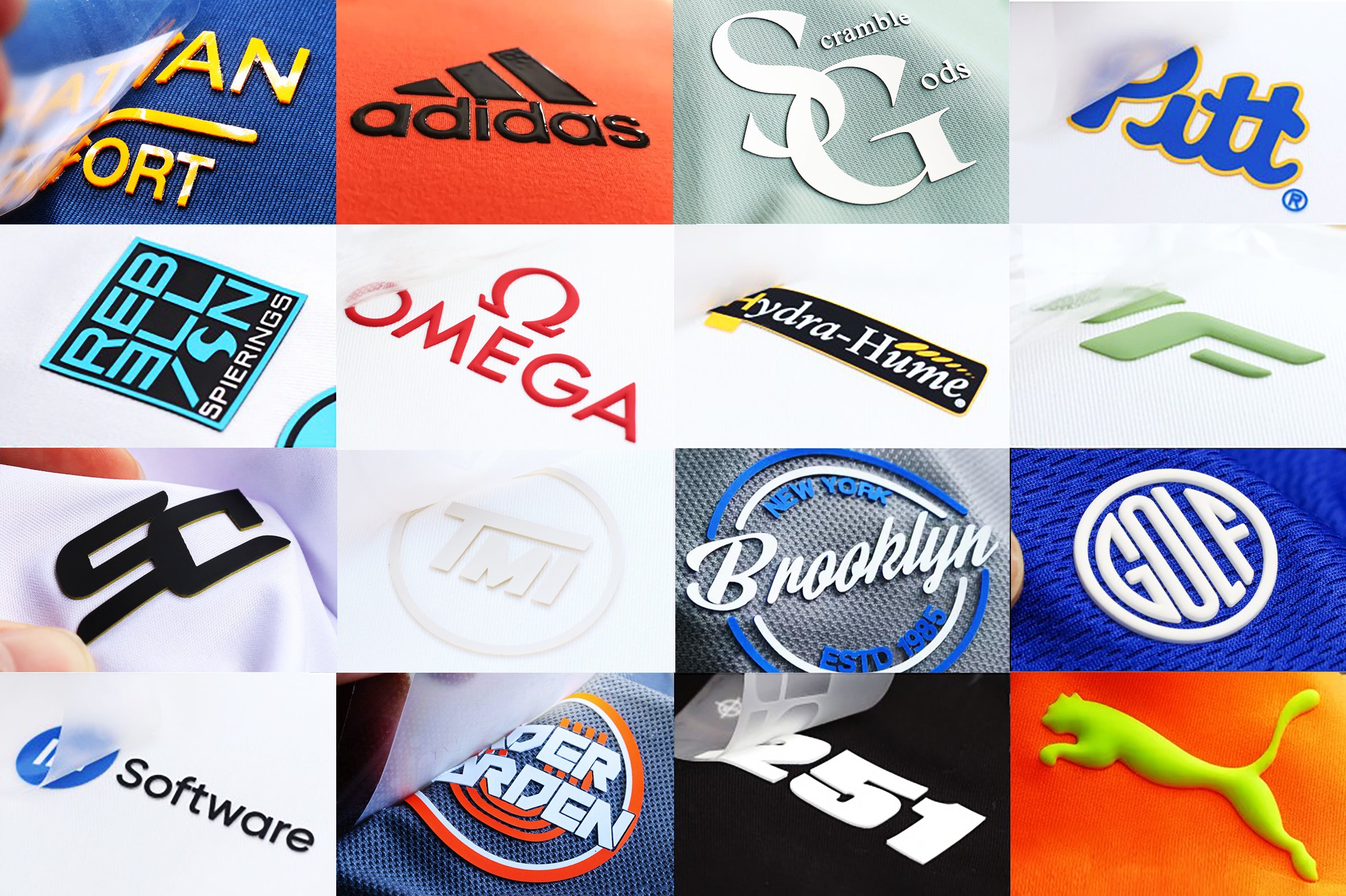
3D silicone printing is a specialized heat transfer process where liquid silicone is molded and cured into a raised design before being bonded onto fabric. Unlike ink-based printing methods such as silk screen or Direct-to-Film (DTF), silicone printing produces a flexible, rubber-like logo that sits prominently above the garment surface.
The result is a three-dimensional emblem that combines softness with structure. Logos appear sculpted rather than printed, creating a premium retail finish often associated with global sportswear and athleisure brands.
Because silicone is inherently elastic and resistant to environmental stress, the prints maintain integrity even under repeated stretching, washing, and outdoor exposure.
Producing a 3D silicone print involves multiple technical stages that require precision engineering and material expertise.
The process begins with artwork preparation. Logos must be simplified into solid vector shapes because silicone molding cannot reproduce gradients or fine photographic details. At ChromaPrint, artwork is reviewed and optimized to ensure clean edges and structural stability once molded.
A mold is then created based on the artwork. Liquid silicone is poured or injected into this mold to form the logo shape. The silicone is heat-cured until it solidifies into a flexible rubber emblem.
Once cured, the silicone design is transferred onto the garment using industrial heat presses and adhesive bonding layers. Temperature, pressure, and dwell time must be carefully calibrated to ensure strong adhesion without damaging the fabric.
The final result is a seamless bond between silicone and textile, producing a logo that feels integrated rather than superficially attached.
The growing demand for silicone printing is driven by both functional and branding advantages.
One of the most immediate benefits is visual impact. The raised structure creates depth and shadow, making logos stand out even from a distance. This dimensionality enhances brand visibility on uniforms, sportswear, and promotional apparel.
Durability is another key factor. Silicone is resistant to cracking, peeling, and fading. Unlike plastisol or PU prints that may degrade over time, silicone retains elasticity and color integrity even after extensive washing cycles.
The texture also contributes to perceived garment value. Consumers often associate rubberized logos with premium retail apparel, which makes silicone printing especially popular for merchandise and brand collaborations.
At ChromaPrint, clients frequently adopt silicone printing when they want their apparel to resemble store-bought branded fashion rather than event giveaways.
3D silicone printing spans multiple industries due to its balance of aesthetics and resilience.
Sportswear brands use silicone logos on jerseys, training wear, and athleisure apparel because the material stretches with performance fabrics without cracking.
Corporate clients apply silicone branding on premium uniforms, jackets, and team apparel where durability and brand prestige are equally important.
Streetwear labels favor silicone for chest logos, sleeve badges, and oversized back emblems because of its sculptural, fashion-forward look.
Event organizers and marketing teams also use silicone prints to create high-value merchandise that recipients are more likely to retain and wear post-event.
Silicone printing performs best on smooth, stable fabrics that allow proper adhesion.
Cotton, polyester, and cotton-poly blends are among the most compatible materials. Performance fabrics used in sportswear are particularly well-suited due to silicone’s elasticity.
Heavier garments such as hoodies and jackets support larger silicone emblems effectively, while T-shirts are ideal for chest logos and sleeve branding.
At ChromaPrint, fabric testing is conducted prior to bulk production to ensure adhesion strength and wash durability meet quality standards.
More information on how to care for your printed t-shirts at our Care and Wash Guide for Custom Apparel.
Understanding how silicone compares with other techniques helps clients select the most appropriate branding method.
Silk screen printing remains more cost-effective for large-volume, flat graphics. However, it lacks the dimensional texture silicone provides.
Direct-to-Film (DTF) printing excels in reproducing gradients and complex artwork but produces a flat finish. Silicone, by contrast, sacrifices detail for depth and tactile appeal.
Embroidery offers durability comparable to silicone but differs aesthetically. Thread stitching conveys corporate professionalism, while silicone projects a modern, sporty identity.
Sublimation printing integrates dye into polyester fibers, producing weightless prints but without texture or elevation.
For brands seeking a bold, contemporary look, silicone printing occupies a unique niche between fashion and function.
Because silicone is molded rather than printed, design preparation is critical.
Logos must use solid shapes and clean outlines. Fine text, intricate linework, and gradient shading are unsuitable because molds cannot capture micro-detail effectively.
Thickness and height must also be engineered carefully. Overly thick silicone may feel heavy or detach over time if not bonded properly.
At ChromaPrint, design consultation ensures logos are optimized structurally before production begins, preventing adhesion or clarity issues later.
One of silicone printing’s strongest advantages is resilience.
Silicone logos resist:
• Cracking
• Peeling
• UV fading
• Moisture damage
Because the material remains flexible, it moves with the garment during washing and wear rather than breaking under stress.
This makes silicone ideal for activewear, outdoor uniforms, and frequently laundered apparel.
While silicone is highly durable, proper garment care extends its lifespan further.
Washing garments inside out using cold water helps preserve adhesive bonding. Mild detergents are recommended, and harsh chemical bleaches should be avoided.
Heat drying should be minimized. Although silicone withstands heat, excessive dryer temperatures may weaken the adhesive layer over time.
Ironing should never be applied directly onto silicone prints. If necessary, garments should be turned inside out before pressing.
ChromaPrint provides post-production care guidance to corporate clients to ensure long-term print performance.
Pricing for silicone printing depends on mold creation, logo size, thickness, and order quantity.
Because molds must be produced, there is an initial setup investment. However, repeat orders become more cost efficient once molds exist.
Larger, thicker logos consume more silicone material and require longer curing times, influencing unit cost.
Bulk production significantly reduces per-piece pricing due to manufacturing economies of scale.
With over a decade of experience in custom apparel production, ChromaPrint offers advanced silicone printing solutions tailored to corporate and retail standards.
From artwork optimization and mold engineering to garment sourcing and bulk application, our workflows ensure consistency, adhesion strength, and premium finish across every order.
Our production capabilities support both small-batch branding projects and large-scale uniform rollouts, making us a trusted partner for organizations seeking elevated apparel customization.
Performance sportswear & dry-fit tees
Caps and beanies
Outerwear (jackets, vests, raincoats)
Tote bags and backpacks
Custom fashion apparel
Lifestyle and streetwear brands
Apparel brands – fashion-forward detail that adds perceived value
Corporate uniforms – logos that withstand tough washing cycles
Athletic teams – branding on activewear and compression tops
Events & merchandise – tactile details on giveaways
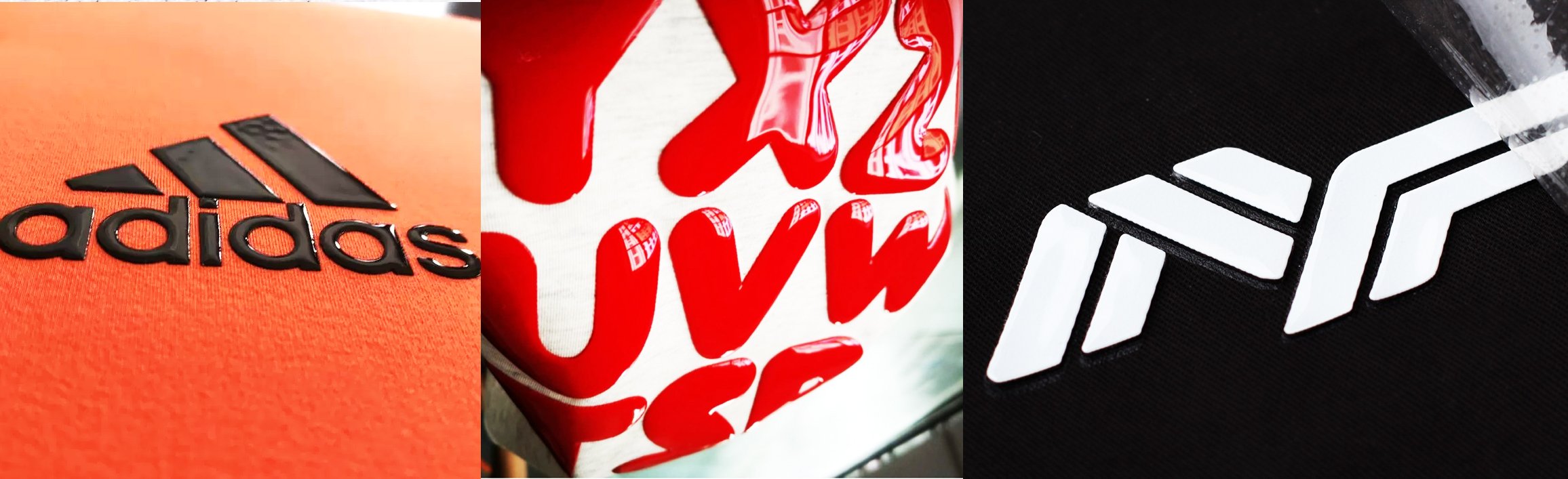
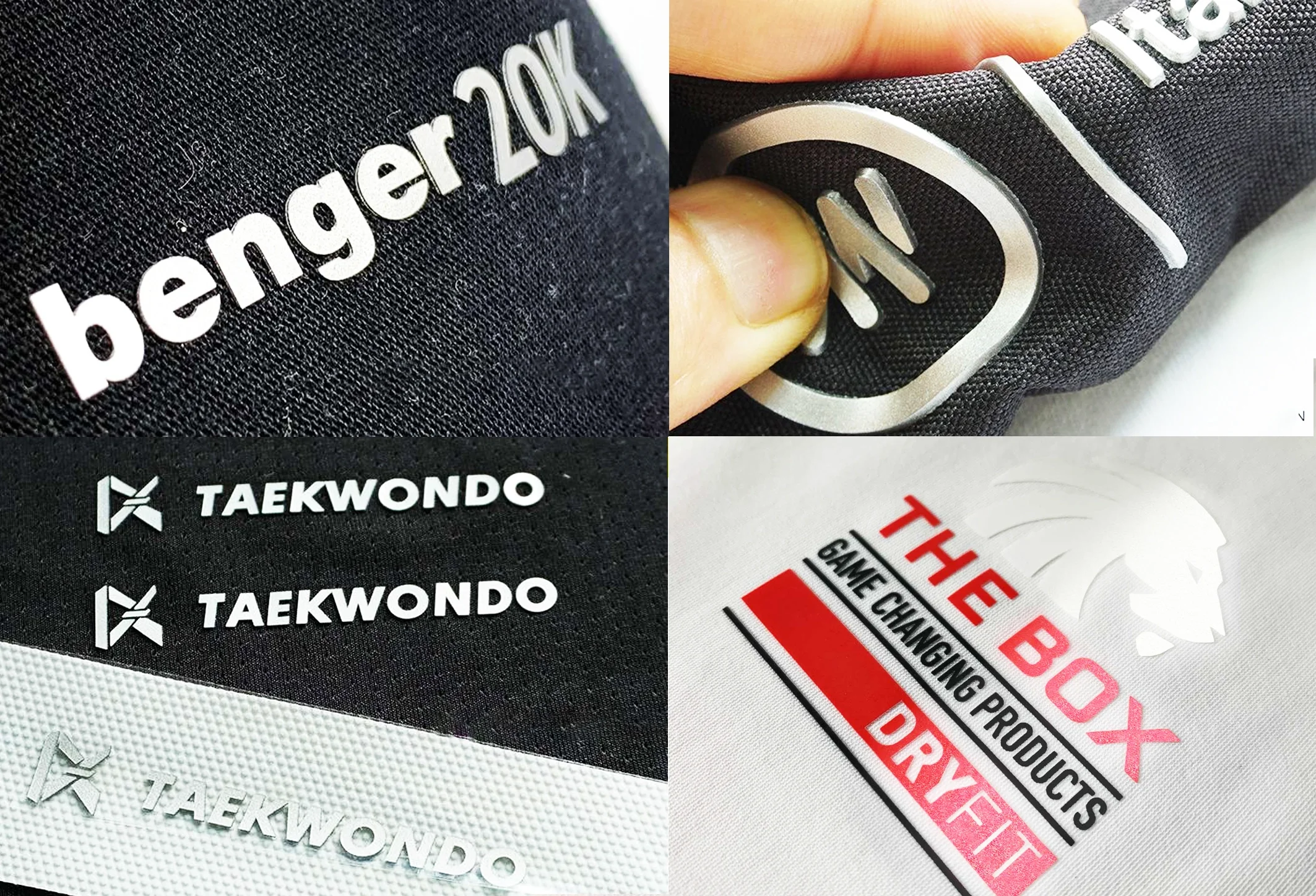
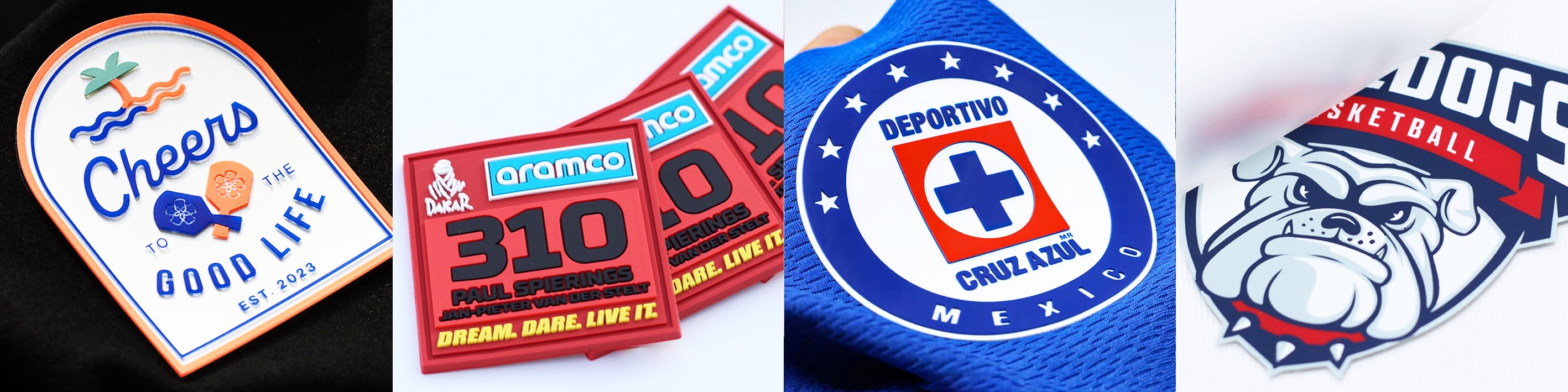
Choose from a wide variety of looks:
Smooth, soft-touch finish with sharp edges
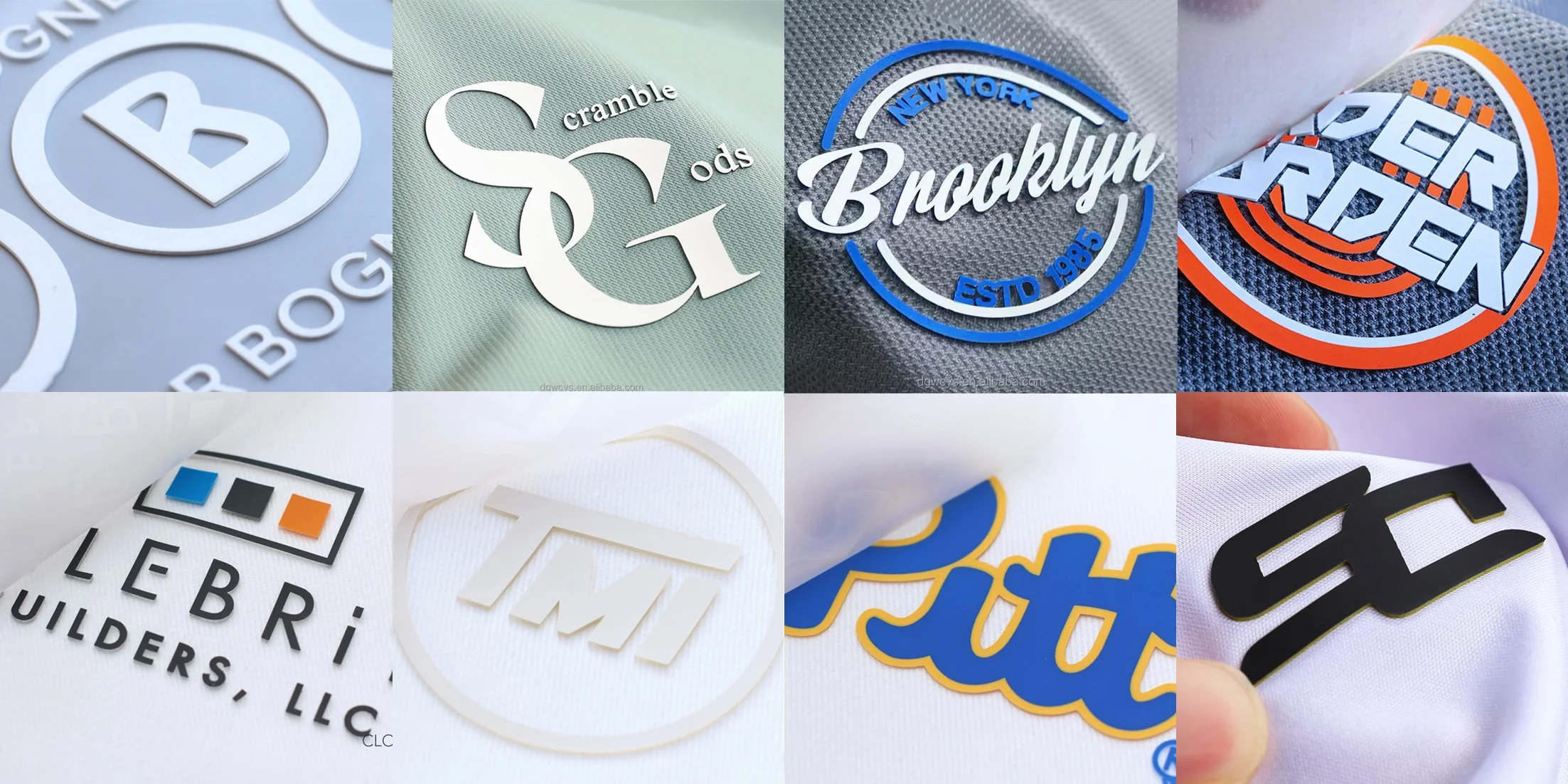
Rounded, non-reflective raised surface
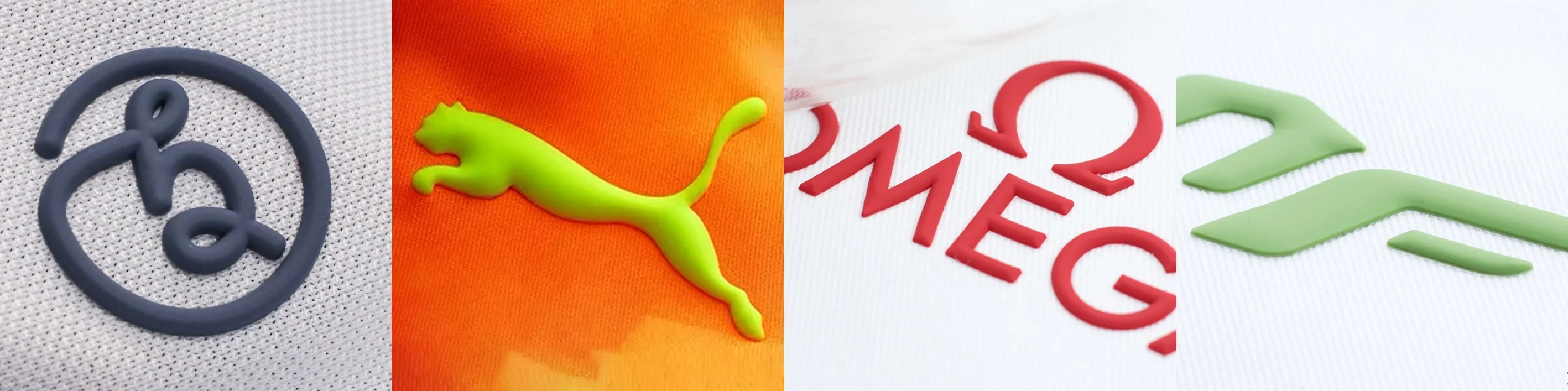
Sleek, high-shine flat layer
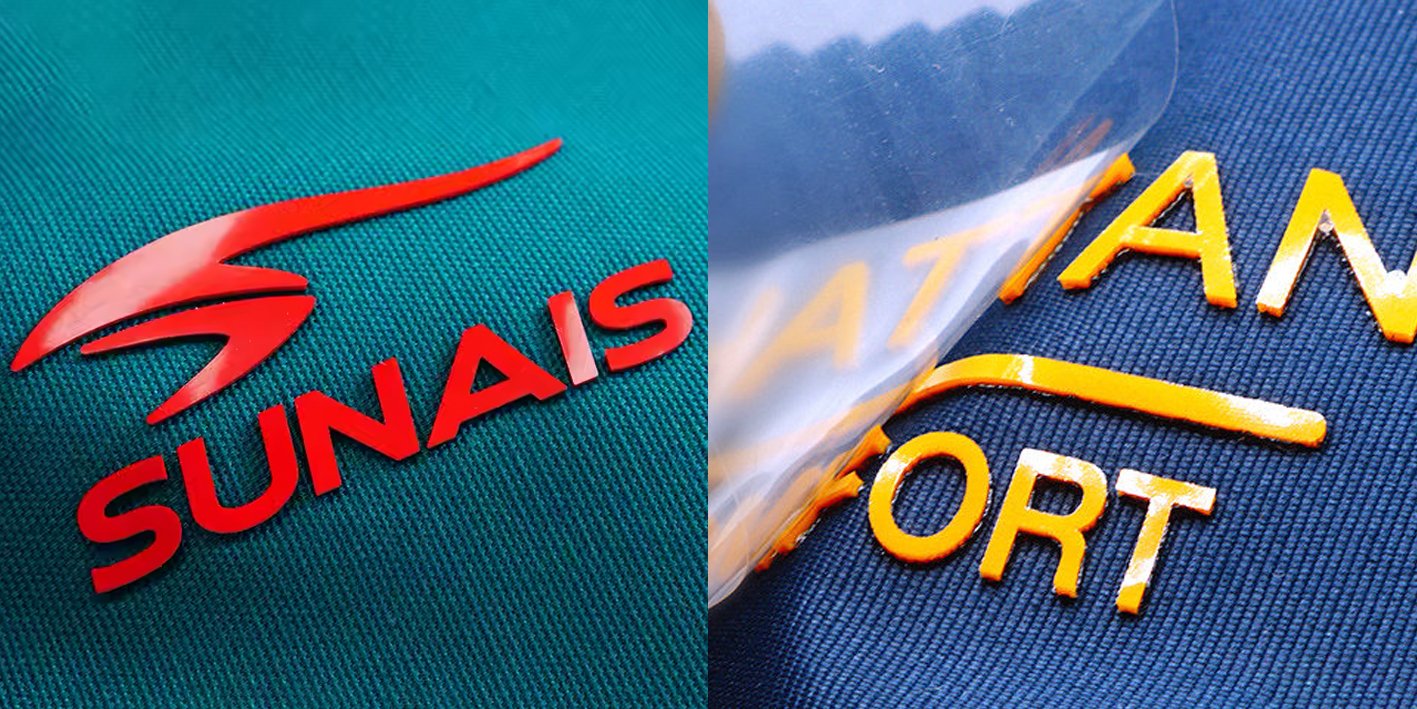
Shiny, rounded design with tactile bounce
Silicone infused with reflective elements for visibility
Pre-moulded labels stitched or heat-applied
✅ High-end tactile feel – mimics luxury retail finishes
✅ Water- and UV-resistant – perfect for sports & outdoor gear
✅ Stretchable & flexible – works well on performance fabrics
✅ Custom shapes & layers – perfect for logos, icons, emblems
✅ Low-profile or high-build options – to suit your brand tone
Q: What fabrics are compatible with 3D silicone transfers?
A: Cotton, polyester, nylon, spandex, neoprene, and most technical fabrics.
Q: Can I apply them myself?
A: For best results, a professional-grade heat press with proper pressure is required.
Q: How long do silicone transfers last?
A: Years. They are fade-resistant, flexible, and wash-proof when applied correctly.
Q: What’s the MOQ?
A: Minimum order is 100 pieces per design or batch.
Q: Can I combine silicone transfer with embroidery or other prints?
A: Absolutely. Use it as a centrepiece and pair it with embroidery or sublimation.
* Premium-grade silicone materials sourced from Korea
* Precision cutting and moulding process
* Multiple surface textures and layering options
* Fast lead times and scalable production
* Free consultation to customise for your needs
Give your gear a modern, elevated touch with 3D Silicone Heat Transfers. Perfect for any brand that values tactile detail, quality, and function.
Looking for other printing methods? Explore our full range of services:
Silk Screen Printing
DTF Heat Transfer Printing
Embroidery Services (2D / 3D)
Puff Printing
Sublimation Printing
Gold and Silver Foil Printing